Can Foreigners Buy Property in Phuket? Your Ownership Options Explained
“Can I actually own it?” is the first question almost every overseas buyer asks us — and the honest answer is: yes, but how you own it depends on what you’re buying. Thai law draws a clear line between buildings and land, and between condominiums and houses. Understand that line and the rest of the process becomes straightforward.
Here’s how ownership works for foreign buyers in Phuket today.
The short version
- Condominiums: foreigners can own a unit freehold, in their own name, provided the building’s foreign quota isn’t full.
- Villas and houses: foreigners can own the building, but not the land beneath it. The land is normally held on a registered lease.
- Land: foreign individuals cannot own land freehold in Thailand.
Everything else is detail — but it’s detail that matters.
Freehold condominiums: the 49% rule
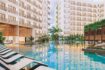
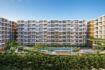
Under Thailand’s Condominium Act, foreigners can hold up to 49% of the total sellable floor area in any registered condominium building. Within that quota, a foreign buyer’s unit is registered at the Land Office in their own name — the same title a Thai owner would receive.
A few practical points:
- The quota is per building, not per project. A development with several blocks has a separate quota for each.
- The quota fills up. In popular beachside buildings, the foreign quota can be fully taken while Thai-quota units are still available. Always get written confirmation from the developer or juristic person that foreign quota is available for your specific unit.
- Your money must come from overseas. To register freehold, the purchase funds must be transferred into Thailand in foreign currency, and your bank issues a Foreign Exchange Transaction (FET) form confirming it. Without the correct paperwork, the Land Office can refuse registration — so plan your transfers before you pay a deposit.
You may have read about proposals to raise the foreign quota to 75%. As of 2026, that has not become law — 49% remains the rule, and any listing suggesting otherwise should be treated with caution.
Villas and houses: leasehold land, owned building
A foreigner cannot own land in Thailand, but can own a structure built on it. So the standard approach for a villa is:
- A registered lease on the land, recorded against the title deed at the Land Office, for up to 30 years.
- Ownership of the villa itself, registered in the buyer’s name.
Many contracts offer “30 + 30 + 30” years. Be clear about what that means: only the first 30-year term is registered and protected by law. The renewals are contractual promises between you and the landowner. They are commonly honoured, and a well-drafted contract makes them far more robust — but they are not the same as a registered right. The widely reported proposal to allow 99-year leases has not been enacted.
Other tools your lawyer may use alongside a lease include a superficies (a registered right to own buildings on someone else’s land) and a usufruct (a right to use and benefit from the land, often for life). Each has its place; none should be used without independent legal advice.
What about buying through a Thai company?
You’ll still hear of foreigners buying land through a Thai limited company. A company with genuine Thai shareholders and a real business can own land. What is illegal is using Thai “nominee” shareholders who hold shares on paper only to get around the land ownership rules. Authorities have been tightening checks on nominee structures, and the consequences can include losing the property.
If someone proposes a company structure to you mainly as a way to own land, get a second opinion.
Other routes you may come across
- Marriage to a Thai national: the Thai spouse can own land, but the foreign spouse must typically sign a declaration that the funds are the Thai spouse’s personal property. Take advice before relying on this.
- Board of Investment (BOI) approval: qualifying businesses can be permitted to own land for their operations. Relevant to companies, rarely to home buyers.
- The 40-million-baht investment rule: the Land Code allows a foreigner who invests at least 40 million baht in approved categories to apply to own up to one rai of land for residence. In practice it is rarely granted and slow — it’s not a mainstream route.
Which option suits you?
| If you want… | Most buyers choose… |
|---|---|
| Simple, secure ownership in your own name | A freehold condo within the foreign quota |
| Private pool villa and land | Leasehold land with owned building |
| Maximum rental potential with minimal hassle | A well-managed condo or resort-style development |
| A family home for long stays | A leasehold villa in a residential area |
Our advice
- Decide the ownership structure before you fall in love with a property. It changes which properties are realistic for you.
- Use an independent lawyer — not one supplied by the seller or developer.
- Check the title deed. In Phuket you want a Chanote (full title with GPS-surveyed boundaries) wherever possible.
- Get foreign quota availability in writing for condo purchases.
- Plan your FET paperwork with your bank before any money moves.
Buying in Phuket is well-trodden ground for foreign buyers — thousands do it successfully each year. If you’d like to talk through which structure fits your plans, book a call with David and the team, read our Buyers Guide, or browse our current listings.
This article is general information, not legal advice. Laws and procedures change — always confirm the position with an independent Thai lawyer before committing funds.